Flatbed transportation plays a big role in moving freight across Montana. When cargo can’t fit inside a standard trailer (either because it’s too tall, too wide, or shaped oddly) it usually calls for a flatbed. These open-deck trailers give the space and flexibility needed for heavy equipment, long pipes, or large pallets that just don’t squeeze into enclosed trucks.
Running loads like these through Montana means more than strapping them down and hitting the road. Our state’s wide-open stretches, mountain climbs, and winter weather all bring a set of challenges that take serious planning. Flatbed work here isn’t just about hauling, it’s about preparing for whatever the road brings. Handling exposed cargo as snow falls or wind kicks up on the plains requires us to adjust our techniques and keep safety top of mind at every step.
How Montana’s Terrain and Weather Affect Shipments
Montana’s beauty is hard to beat, but its roads aren’t always easy. Changing elevation, sweeping wind corridors, and long mountain passes mean we have to stay sharp year-round. Add in January ice or snow, and things can get tricky fast.
- On steep passes and narrow shoulders, a wide load needs extra room and steady handling
- Winter storms can show up with little warning, forcing us to slow down or stop altogether
- Load shifting becomes more likely on uneven roads or during freeze-thaw days, where ice turns to slush and then freezes again
Each trip across the state needs its own plan. We check forecasts, road conditions, and plan for stops so we don’t get caught off guard. Since loads on a flatbed are exposed, wind and icy spray from other vehicles can also take a toll, especially during cold snaps. Securing freight and watching the road ahead is only part of the work. We also stay in close contact with dispatch in case conditions change. When routes pass through the Rockies or skirt along rivers, extra awareness is needed, as weather patterns can shift rapidly, making what was an easy drive in the morning more challenging by afternoon.
What Makes Flatbed Loads Different
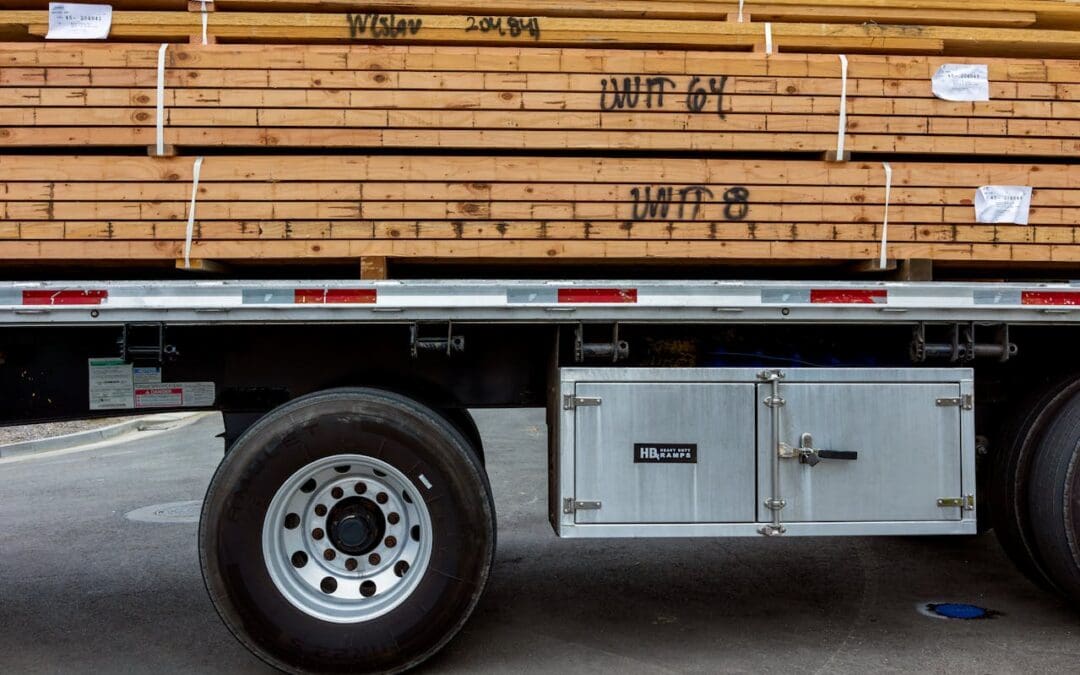
Flatbed hauling stands apart because of the freight we carry. Instead of boxes on pallets, we might be loading farm machinery, steel beams, or large tanks that need open air space and easy crane access. With nothing keeping things in place but our straps and chains, every load requires a fresh look.
- Items can’t just be set down and strapped. They need to be stacked the right way for balance
- Tarping matters, especially in winter, to protect cargo from snow and road spray
- Loads are visible at all times, which means regular checks throughout the trip
Because every load is shaped and sized a little differently, there’s no one-size-fits-all setup. We stay alert to small shifts or worn straps while on the road, since fixes mid-trip are better than incidents at highway speed. In Montana’s winter mix, that attention to detail makes all the difference. Different cargo may react differently to temperature changes and vibration, so securing it properly means more than just complying with regulations. Sometimes, extra wood blocks, edge protectors, or second layers of tarping are added to keep everything safe and stable.
Safety and Compliance Considerations
With flatbed work, staying within legal safety rules takes more than good instincts. Both in Montana and across provincial and state lines, there are specific requirements for weight, securement, signage, and permits.
- Flags, signs, and oversized notices may be needed, depending on the size of the load
- Chains, straps, and binders must meet strength and inspection standards
- Special permits are often required for weights beyond the regular limit or wide loads that take up more than one lane
If straps aren’t snug or chains aren’t rated properly, loads can shift (which puts everyone at risk). We take these rules seriously. A forgotten paper or skipped check could delay a delivery or lead to a fine. In winter, those risks grow. That’s why staying compliant keeps us safer, not just legal. Our experience tells us to check gear before every run, double-check paperwork at stops, and regularly confirm permit validity when moving from one county or state to another. The effort pays off when the unexpected happens, and everyone remains protected.
Planning Ahead for Winter Flatbed Hauling
Winter doesn’t wait, especially here in Montana. Cold mornings, icy lots, and snow-packed roads make early planning more important than ever. We always say if a load’s ready ahead of time, we’ve already improved the run.
- Give early notice when booking, so we can secure the right trailer and route
- Share exact load dimensions, including height, weight, and length, so we don’t run into size restrictions
- Keep an eye on weather forecasts and stay flexible with pickup and drop-off times
Cold snaps or blowing snow can delay an unload or force a detour. Extra time may be needed to attach tarps, check tie-downs, or warm up equipment before rolling out. When clients help us prepare, everything goes smoother, even when the roads don’t. Having a backup route in mind, bringing extra supplies, and coordinating with receiving crews all become more important in harsh weather. Being prepared for a long detour or a sudden road closure means we still arrive safely, even if it takes a little longer.
Keeping Flatbed Freight Moving Through Montana
Flatbed transportation in Montana comes with unique demands, especially through the coldest months of the year. Winter conditions shift quickly, and the weight and shape of flatbed cargo mean we have to think ahead every time. From watching snow forecasts in the Rockies to double-checking weight distribution on a frosty morning, the details matter.
Montana’s roads run through wide prairies and tight mountain canyons. We plan each haul expecting detours, slick spots, or even full closures during harsh storms. Good communication, regular checks, and a sense of caution keep freight moving, no matter how tough winter gets.
As a family-owned company founded in 1979, K&K Trucking uses state-of-the-art tracking to help monitor every shipment across the lower 48 states, Canada, and Alaska. Our team delivers with advanced fuel-efficient technologies designed specifically for extreme weather and cross-country loads. We’ve learned that keeping freight moving in our home state isn’t about rushing. It’s about steady work and strong coordination. When we plan well, check often, and adjust when needed, even the toughest days stay manageable. Keeping safe, secure hauls rolling in January takes solid prep and winter know-how.
At K&K Trucking, we understand the importance of careful planning when it comes to moving freight across Montana, especially as winter brings added challenges. Every shipment has unique requirements, and snowy roads can complicate things further. Choosing the right partner for flatbed transportation can help you stay on schedule and avoid unnecessary delays. We have the equipment and local expertise needed to safely handle your cargo all season long. Contact us to discuss your next project.