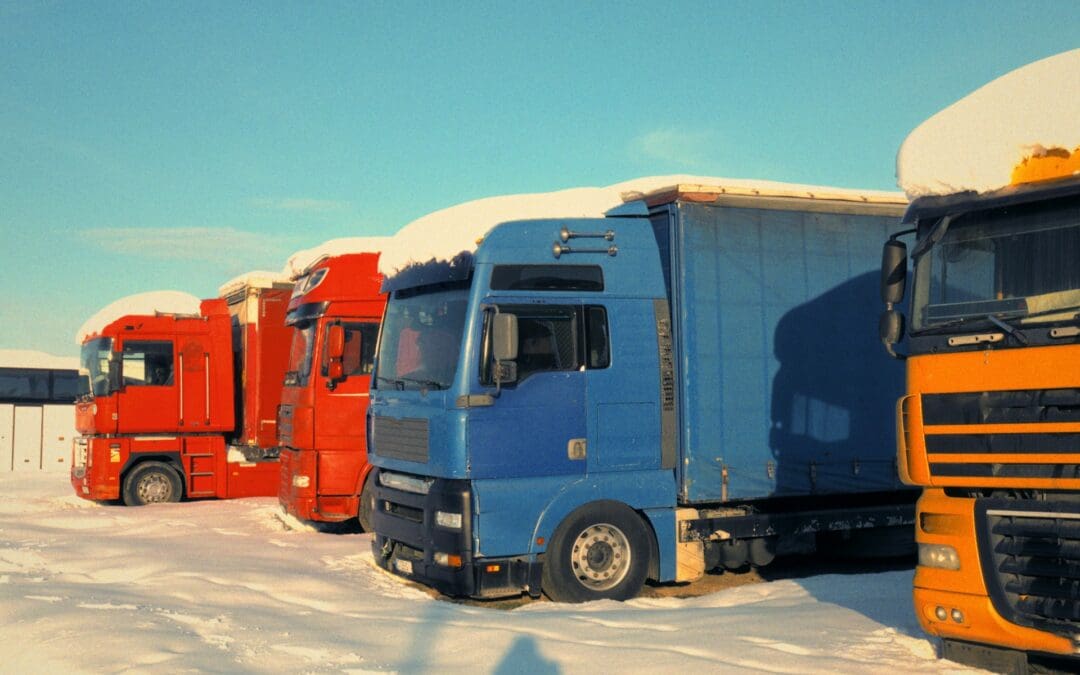
Winter route planning takes on a new level of importance here in Montana. What looks good on a map in July can turn into a real challenge once snowstorms move through the passes. Temperatures drop fast, road conditions change hour by hour, and the daylight gets short. That means every stop and stretch of road needs extra thought this time of year.
As a Montana trucking company, we have learned how much winter weather shapes our daily and long-haul routes. From frozen highways to closed mountain passes, nothing can be left to chance. Careful planning is what keeps our cargo moving when the winter months close in.
Why Weather Shapes Every Winter Route
In February, it is rare to finish a full route without dealing with some type of winter weather. Timing and planning help, but nature sets the pace.
- Snow can slow traffic to a crawl or cause full closures, especially in higher elevations like the Rockies or along exposed stretches of highway.
- Ice and wind chill make conditions harder on trucks and tougher on drivers. Traction becomes a safety issue, and sudden gusts can move a loaded trailer on slick roads.
- We check weather alerts early and often. Our planners keep live maps open and share updates so drivers know where not to go and when to wait.
- Shifting to a backup route is common in winter. Passes that were clear during morning checks can close by early afternoon, and that changes everything. Rerouting mid-run happens more often than most people think.
We use advanced fuel-efficient technologies designed for severe climates and state-of-the-art tracking systems to prepare each run and keep cargo moving through winter. Weather sets the stage, but the right tools and clear communication help us adjust with less disruption.
Timing Every Stop on the Map
Winter schedules come with narrow windows and lots of checks. A small delay early in the route can ripple across the whole trip if we are not ready for it.
- Shorter daylight hours leave fewer safe driving hours, especially when snow limits visibility or plough crews are working part-time routes.
- Load times and service windows slow down in the cold. From refuelling to pick-up docks, everything takes longer when hands are numb and machines run slow.
- We build extra time into winter plans, knowing that travel speeds will drop and roadside work might take more effort in the cold.
- Even fueling needs more planning. In remote areas of Montana and across the border, some stations may shut down early in snowstorms or close to refill.
When we allow for flexibility, we reduce pressure on the driver and lower the chances of last-minute reroutes or missed delivery windows.
What Happens Before the Truck Rolls Out
No winter trip starts without a solid plan in place. Before the first kilometre is logged, we work through a full checklist to make sure both the truck and driver are ready.
- We review the planned route for open roads, weather warnings, and recent highway reports. If conditions look rough, we find a safer path.
- Our trailers get checked for heating units, thermal covers, and door seals. If something fails mid-run, it could ruin the cargo before repairs can be made.
- Drivers get a full briefing before heading out (what time to leave, where to stop, who to contact if the weather shifts mid-route).
- Our dispatch team helps with all of it. They follow the route in real time, alert drivers of changes, and answer questions when plans need to shift on the go.
Those early steps set the tone for a safer, smoother trip, even when the weather refuses to cooperate.
Unexpected Delays and Smart Adjustments
Even strong plans need backup options in winter. Anything from a jackknifed truck to a frozen fuel line can force an unscheduled stop.
- Winter delays are hard to predict. A road closure in Idaho can affect a delivery in Alberta. Engine issues happen more often in cold snaps, and warming a frozen system may take hours.
- Drivers keep direct contact with dispatch so changes can be made fast. Sometimes a five-minute decision, like whether to stay put or take an alternate road, makes all the difference.
- Having a backup plan is expected this time of year. That often means having alternate routes mapped, fuel plans adjusted, and more time between key checkpoints.
Small changes mid-route can save hours later on, especially when weather keeps coming in waves.
Tools and Tech Making Winter Runs Smoother
Winter runs bring their own challenges, but today’s tools give us more ways to manage them. Tech helps us stay ahead, but knowing Montana itself still plays a big role.
- Onboard sensors can warn if trailer temperatures shift, if units lose power, or if driving conditions start affecting cargo stability.
- Heated trailers and thermal equipment help keep loads from freezing, especially when the truck is stopped at a border check or waiting on a pass to reopen.
- Tracking systems let dispatch follow each run live. They can spot when a truck slows too long in one spot or reaches a fuel station behind schedule, and act early if something seems off.
- Still, local experience matters just as much. Knowing which passes close first or which towns keep roads cleared faster helps us move smarter, not just with tech but with real working knowledge.
Combining tools with experience lets us build flexibility into every winter haul.
When Prepared Routes Keep Cargo Safe and On Time
Winter trucking through Montana runs on planning, people, and timing. There is no such thing as a perfect forecast, but with solid prep and live adjustments, we can protect the freight and keep schedules on track.
As a Montana-based company founded in 1979, we serve the lower 48 states, Canada, and Alaska, giving us a wide view of winter freight challenges. For any Montana trucking company that works cross-border or long-haul routes, smart winter planning is what keeps the wheels turning. Clear routes, backup options, up-to-date weather reads, and trusted communication all work together to keep hauls running, cargo safe, and shipments where they need to be.
Winter hauls require more than just sharp driving (they depend on careful planning, quick communication, and a deep understanding of what local weather brings). As a long-time Montana trucking company, we have built our routes around conditions most would not see as passable. That includes staying ready for reroutes, slowdowns, and updates at all hours. When your business needs consistent winter freight movement, K&K Trucking is ready to help you get started.