
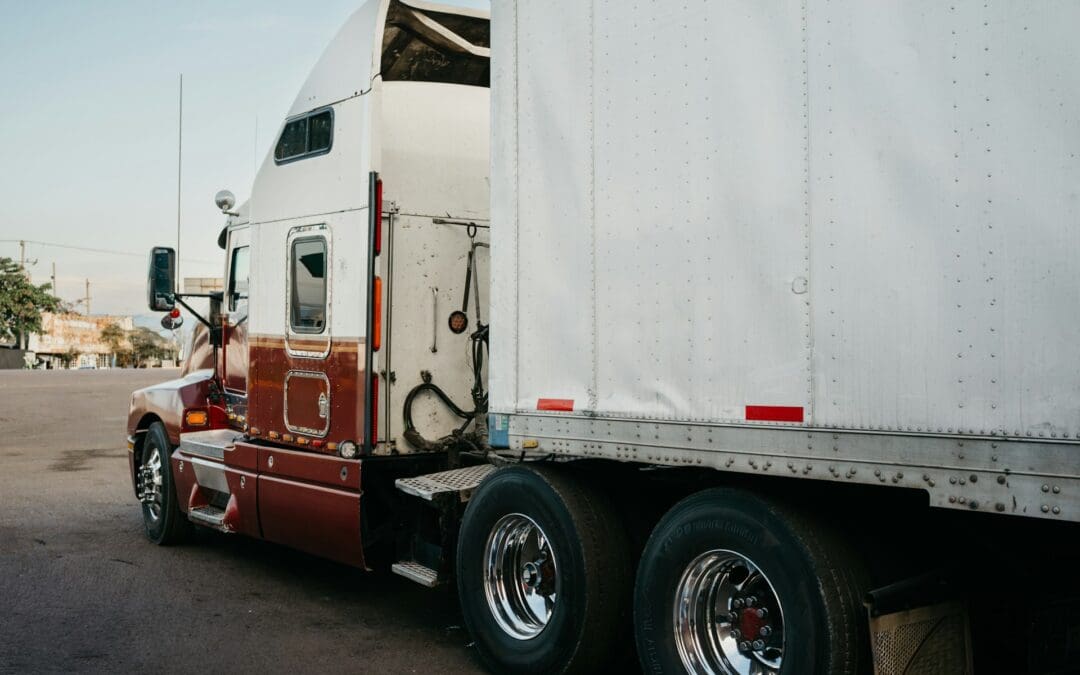
Cargo transportation is all about moving goods safely and efficiently from one place to another. When those routes stretch across provinces, cross borders, or take several days through changing weather, the process becomes more complex. We see this across Canada every winter, when snow, ice, and time-sensitive shipments all add pressure to our planning.
Getting cargo from point A to point B sounds simple, but long-haul delivery takes more than horsepower and a full tank. It takes planning, good timing, proper equipment, and knowing what to expect on the road. When freight has to stay in top shape across long routes, every detail matters (from route planning to temperature protection). That’s what reliable cargo transportation is built on.
Planning Freight for Long-Distance Delivery
Long-distance hauls aren’t just about driving farther. They mean preparing for more surprises. This kind of trip might cross mountains, borders, and climate zones, so we never treat it like a regular day route.
- We start by learning everything we can about the cargo. Some items need to stay warm, others must stay frozen, and some might have strict shelf lives. Handling notes and timing details help us figure out what the load can or can’t handle.
- When we cross from province to province or head into the U.S., rules can shift, and weather often changes fast. In February, that might mean driving into whiteout snow on roads that were clear just hours before.
- Seasonal conditions shape everything. We look at weather forecasts, traffic history, and known problem areas on the route. A sharp cold snap or highway closure can delay a shipment if we haven’t left room for it in the plan.
Upfront preparation lets us respond to problems with less risk. We can avoid high-risk routes, check border timing, and make sure the right trailer is matched to the job. The more we know ahead of time, the smoother the trip.
Our operations use advanced fuel-efficient technologies and state-of-the-art tracking systems to monitor each shipment, which helps crews make adjustments when conditions change fast during winter hauls.
How Drivers Handle Winter Conditions on the Road
Once we’re moving, the job shifts from planning to staying alert. Driving through a February storm isn’t just about experience (it’s about making smart calls when the weather turns fast).
- Sudden snow or wind can make roads slow or even lead to full closures. In some regions, that might mean waiting hours before safe travel can continue. A delay like that can mess with temperature settings if the trailer sits too long without moving.
- Drivers keep tabs on changing weather, traffic apps, and regional highway alerts. When a route looks rough, we reroute or stop early to avoid risk. Timely updates go a long way in keeping things safe.
- Communication matters. Our drivers check in regularly during every haul. If there’s a delay, we talk through it, adjust plans, and make sure the cargo stays protected.
Even when the conditions get rough, our goal is always the same (keep the load safe and find the best path forward).
Cold-Sensitive Freight and Temperature Protection
Not all freight reacts the same way to cold. That’s why long-haul shipments in February need the right kind of temperature support. Some goods suffer from even a short drop below freezing, while others just need mild heat to stay stable.
- Fresh produce can’t handle freezing temperatures. Even a brief dip can change texture or taste. Frozen food, on the other hand, has to stay frozen. If it thaws and refreezes, the quality drops fast.
- Some chemical goods or materials are sensitive to changes too. If they shift in texture or separate in cold, they might get ruined or become harder to use.
- Medical supplies, especially some medications, must stay within very tight temperature zones. If they drift outside that window, they may no longer work the way they’re supposed to.
We don’t guess with this kind of load. Temperature-controlled trailers help make sure everything stays in range. Even during long waits at rest stops or border checks, the right setup means the cargo doesn’t freeze, thaw, or shift in condition. Professional handling and steady monitoring are what keep these loads in good shape, even through the worst of winter.
Our team specializes in refrigerated freight moves that require close temperature monitoring from start to finish, keeping sensitive cargo safe even on tough cross-country routes.
What Tracking and Equipment Look Like Today
Modern trailers come with more than just a heater or fridge. Our rigs are built to monitor everything from air temperature to trip timing, giving us a full picture of what’s going on inside and out as the haul progresses.
- Onboard tools track the interior environment of the trailer. These systems measure and adjust to conditions during the drive. If something shifts, alerts tell us before things go too far out of range.
- Location tracking helps us stay in control of timing and rerouting. If delays happen, we know where and when they occur, which helps us respond quicker.
- Real-time updates are more than nice to have (they make a big difference for anyone waiting for the load). From start to finish, being able to see the trip unfold helps everyone feel more prepared, even when the highway tests our schedule.
Good equipment doesn’t fix winter weather, but it does help us react quickly. The better our tools, the better we manage the miles.
Why Reliable Cargo Transportation Keeps Businesses Moving
Year-round, getting goods safely from one location to another creates peace of mind. But when snow builds up or temps drop deep below zero, timing gets tighter and planning matters more than ever.
Reliable cargo transportation is never about shortcuts. It’s about stepping into each haul with a plan, the right gear, and a mindset for the season ahead. Winter brings unique challenges, but with attention to detail and smart choices, we keep things steady even when the road is anything but smooth.
In cold months like February, long-distance trips across Canada and down into the U.S. press us to do more upfront. And we’re ready for that. Clear plans, careful routing, strong equipment, and smart response (in our experience, that’s how long-haul freight keeps moving forward no matter what the weather brings).
At K&K Trucking, we understand the demands of moving goods safely across long routes, especially when winter brings unpredictable challenges. Whether your shipment requires careful planning for a cross-border run or temperature-sensitive handling, we rely on proven strategies and reliable equipment to keep your business running smoothly. If dependable cargo transportation is key for your operations, we’re ready to support your next delivery. Reach out today to discuss how we can help make your logistics easier and more efficient.