Cross-country transportation can be quite the undertaking. From coast to coast, countless miles are covered, and goods are delivered to meet the demands of various businesses and consumers. But with these trips come challenges, especially when the weather comes into play. Imagine planning a seamless delivery, only to face snowstorms, heavy rains, or dense fog along your route. These conditions do more than slow down a journey; they can disrupt schedules, impact safety, and increase costs.
Addressing the weather-related challenges in cross-country transportation is more than just dealing with a delay. It’s about understanding how to plan, prepare, and respond to ensure everything runs smoothly. With a bit of knowledge and the right strategies, it becomes easier to keep things on track, even when Mother Nature has other plans.
Common Weather Challenges in Cross-Country Transportation
When moving goods across long distances, weather conditions can vary greatly. Snow, rain, and fog can all present unique challenges.
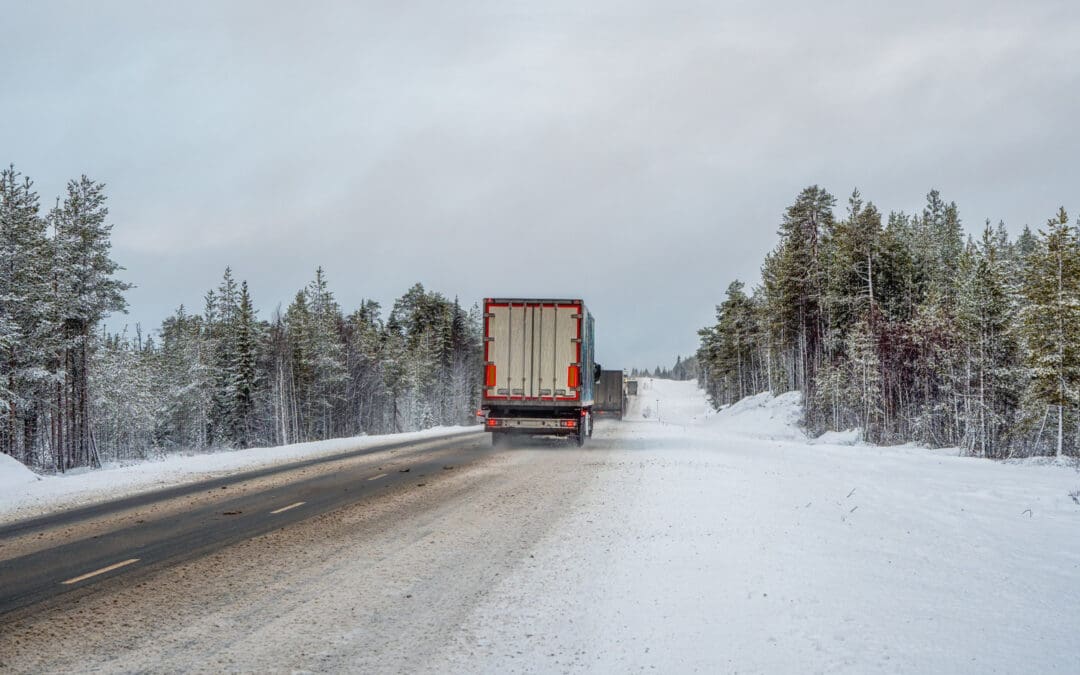
1. Snow: Driving through snow isn’t just about visibility. It changes road conditions, causing delays or detours.
2. Rain: Heavy rain can make roads slippery and increase the chances of accidents.
3. Fog: With reduced visibility, maintaining a safe speed and distance becomes important to avoid collisions.
These elements disrupt transportation schedules and can lead to missed deadlines or even damaged goods if not managed properly. Understanding these hurdles is the first step to overcoming them.
Preparation and Planning
Being ready for whatever the weather brings starts long before hitting the road. Forecasts are key to a safe and efficient journey. They provide insights into upcoming weather patterns and help in mapping out the safest and quickest routes.
– Regularly check weather updates before sending out shipments.
– Plan alternative routes in advance.
– Equip vehicles with necessary gear like snow chains or windshield wipers suitable for heavy rain.
Technology plays a big role in keeping drivers informed while they’re on the road. GPS systems now integrate real-time weather updates, alerting drivers to changing conditions and suggesting detours when needed. This combination of planning and smart tech keeps transportation reliable, even when the forecast is less than favourable.
Safety Measures During Severe Weather
Driving in adverse weather conditions requires more caution and specific safety measures to ensure a smooth and safe journey. For snow and icy roads, it’s crucial to maintain a steady speed that’s well below the usual limit. Icy surfaces can be unpredictable, so staying alert and avoiding sudden braking is key.
When rain pours down heavily, it can create a film of water over the pavement, leading to hydroplaning. In these conditions, slowing down and turning on headlights helps visibility and safety. Fog demands similar caution, with extra emphasis on maintaining distance from other vehicles and using fog lights if available.
Having a well-stocked emergency kit is like having a trusty co-pilot. Keep items such as blankets, flashlights, first-aid supplies, and non-perishable snacks on hand for unexpected stops. Establishing clear communication protocols ensures everyone knows the right steps to take when a problem arises, reducing stress in challenging situations.
Adjusting Schedules and Routes
Flexibility is a major asset in dealing with surprise weather conditions. Adapting schedules and planning alternate routes can make the difference between a successful journey and a disrupted one. Being prepared to switch gears swiftly keeps transportation on track.
– Examine potential alternate routes ahead of time and keep them in mind for unexpected changes.
– Allow extra time in schedules to accommodate weather-induced delays.
– Communicate with all involved parties to manage expectations and avoid confusion.
Knowing when to pull over and wait out severe weather is also part of smart planning. Having a few contingency strategies in your toolkit can minimize downtime and keep everything running smoothly.
Staying Ahead of the Weather
Keeping a step ahead means constant vigilance and preparation. Stay informed with real-time weather updates and adjust plans accordingly. This proactive approach helps anticipate problems before they occur.
Encouraging businesses to implement these practices consistently ensures smoother operations in the long run. It’s about creating a culture of preparedness, where everyone involved knows what to do and when to do it. This kind of foresight leads to better outcomes and less stress over time.
By understanding these aspects of cross-country transportation, you ensure that weather becomes a factor you’ve planned for rather than a hurdle you’ve stumbled upon. With the right strategies, weather-related challenges become manageable, allowing for smooth and successful transportation across vast distances.
Weather challenges present significant obstacles in the transport sector, but with proper strategies, they become manageable. For more insights on overcoming these hurdles and ensuring smooth operations, explore how K&K Trucking supports dependable solutions in cross-country transportation. Leveraging our experience can make a difference in how you navigate any storm that comes your way.