
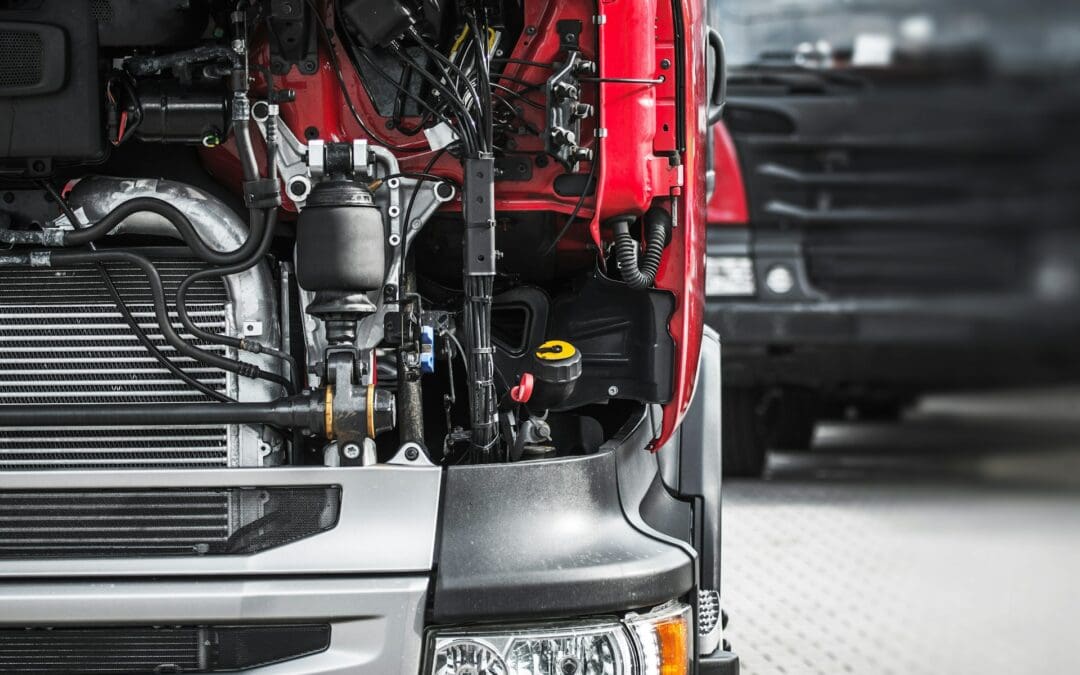
When you’re on the road with a refrigerated truck, the last thing you want is a breakdown. Yet, it’s a situation many drivers find themselves facing. These breakdowns can halt crucial deliveries and put perishable goods at risk. Handling them quickly isn’t just a matter of convenience; it’s critical to maintaining the quality of the shipment and ensuring that valuable produce or pharmaceuticals don’t spoil. Knowing how to deal with these situations effectively can save time, money, and in some cases, the cargo itself.
From safety concerns to potential delays, a breakdown creates challenges that need immediate attention. In these unexpected situations, having a clear plan can make all the difference. Whether it means communicating with your team or making sure other drivers are aware of your truck’s condition, taking smart, swift actions keeps things under control and minimizes impact.
Immediate Steps to Take
Dealing with a breakdown starts with ensuring everyone’s safety. Here’s a step-by-step approach to handle these issues efficiently:
– Ensure Safety First: Make sure that both the driver and the cargo are safe. If possible, pull over to a safe spot, away from the traffic flow.
– Assess the Situation: Take a moment to evaluate what’s happened. Identifying if the issue is with the refrigeration unit or the truck itself can help decide the next action.
– Alert Your Team: Quickly communicate with your dispatch team and any relevant stakeholders. Keeping them in the loop means you can coordinate efforts and possibly arrange for alternate transport.
– Warn Other Drivers: Use warning signals and cones to alert other road users about your stationary vehicle. This precaution prevents accidents and keeps everyone safe.
These steps help in dealing with the immediate aftermath of a breakdown, creating a safer environment for the driver and others on the road. Keeping your response timely and organized minimizes the disruption and helps get things moving again sooner rather than later.
Assessing the Condition of the Cargo
Once you’ve ensured safety and communicated with your team, the next immediate priority is the cargo itself. Refrigerated goods demand constant attention to temperature. First things first, check the temperature inside the trailer. Knowing if it’s holding steady or climbing helps you decide your next steps. If the refrigeration unit is acting up, you’ll want to determine how much power it has left.
Take measures to preserve the cargo’s condition. You might need to adjust any vents or airflow systems to reduce heat inside the trailer. If things seem stable, that’s great! But don’t assume it’ll last without intervention. Maintaining cargo integrity requires constant vigilance until help arrives or arrangements are made.
If you notice any discrepancies or feel worried about the cargo’s state, note these details. Sharing this info with your repair service or dispatch helps them understand the urgency of the situation. Quick decisions on whether goods need repacking or relocation can prevent a complete loss, especially if repairs will take time.
Managing Repairs and Towing
Once the cargo is under control, shift your focus to getting the truck back in motion. Immediate contact with a reliable repair service sets things in motion swiftly. Explain the situation clearly so they can prioritize the correct solutions, whether that means specialist repair on the refrigeration system or a more general fix for the truck.
Arranging for a tow may become necessary if repairs can’t be completed roadside. Having an alternative plan to keep the delivery on track, like transferring cargo to another truck, can save time. Clear communication with all parties involved minimizes disruptions and ensures that no time is wasted.
Ensure you coordinate efficiently. Being proactive here helps in keeping service expectations high even amidst challenges. Swift action in managing repairs or towing means your downtime is minimized, and you regain control over the delivery process.
Preventive Measures for the Future
Avoiding breakdowns starts with preparation. Routine maintenance and inspections of your trucks should be scheduled regularly. These practices keep small issues from growing into larger ones that could result in a breakdown.
Investing in top-notch refrigeration units makes a difference in long-term reliability. Units that demonstrate high performance provide peace of mind. They also help prevent emergency situations, keeping goods cold and secure even when repairs are needed.
Driver training is another aspect you shouldn’t overlook. Educating drivers on both breakdown protocols and basic troubleshooting can make them assets when incidents occur. Being familiar with the equipment and knowing how to react ensures the swift handling of any situation, keeping delays to a minimum.
Keeping Calm and Moving Forward
Although breakdowns can feel stressful, keeping calm and collected can make handling them smoother. Addressing safety first, followed by cargo assessment, efficient repairs, and preventative steps not only mitigates risks but also strengthens future operations.
Ensuring the integrity of your cargo under stress and being swift in actions builds confidence in your transport service. With each challenge overcome, you gain valuable experience and build a reputation for consistency and reliability.
Handling a breakdown in refrigerated trucking is no easy task, but with the right approach, you can manage it effectively. If you’re looking for support that keeps your cargo protected and your deadlines intact, explore refrigerated trucking services with K&K Trucking. Our team is ready to provide dependable help when you need it most.